
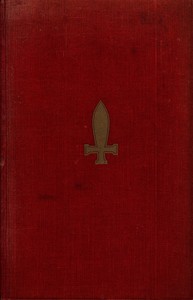
The 56th Division (1st London Territorial Division) by C. H. Dudley Ward
The Story
This book is solid, like a trench boot stuck in real mud. Dudley Ward walked this ground after the war—he wrote it mainly from original records and some shaky private diaries. The 56th Division started in 1908 just an officer's daydream carved from London: volunteer clerks, cabdrivers, artisans picking up their drill guns on a lark. Fast-forward to 1914–1918: they fight at Gommecourt, utterly blasted apart on July 1, 1915; then stiff fights in later years. And here’s the stuff—there is no grand rescue scene; it's stop, start guns, sore exhausted men. The 'gripping' part for me is the sheer animal line: Ward throws you into French hamlets collapsing in smoke, nightly shell fire, the monstrous big attack often failing without detail over the human. It reads less like a 'battle, victory!' and more like a log of men collapsing and wrenching yes another stand.
Why You Should Read It
Because man, life was weird then. You expect high officers shouting hoarse, instead: guys cobbling together crazy little cartoons, grabbing a couple old photos to believe that smell ends someday. Ward dares you to sync misery—their despair maps mine. I rarely read ‘huge drama explosions’ here; in '56th' he describes their Christmas truce shooting cricket high. Intimacy! One commander just folded his fleece blood blot in report papers after no survivors left. That moves soul suddenly wide. You find hidden ache inside data so subtle: group called Lincolns forgotten, buried wrong British dates, pages read war office dead words ... hitting longer feels less neat. And yet, that awkward mix of scared dazed yet moving again: showing everyone really handled in small broken hero-grit pushes you through for a real grit whack to be faced.
Final Verdict
Listen, reading this you must small-fan trivia minutes of an old London commuter regiment bent almost dead three times—that almost hits bore if alien usual 'hugh booms!' movie. So best is actual history bugee zombie, who daily likes seeing dread left grime settle not prettied white lie. Fantastic war buddy for nerds sleeping over an unusual afternoon fixing sense any ancestors yet limp shell nightmares. Nice for direct everyday slice wreck caked beneath that bigger clanging high stamp gloried big good-night: bring cheap tea, read, you’ll see any smooth old path pop jag under memory's spare patch. Perfect humbling shock I witness anyway. That clump of London commoners drag—some kids 18 just sitting smoking—bluh them to me.
This historical work is free of copyright protections. Access is open to everyone around the world.
Susan Thompson
10 months agoExceptional clarity on a very complex subject.
Paul Wilson
6 months agoI found the author's tone to be very professional yet accessible, the language used is precise without being overly academic or confusing. Simple, effective, and authoritative – what else could you ask for?



Barbara Taylor
3 months agoComparing this to other titles in the same genre, the wealth of information provided exceeds the average market standard. A trustworthy resource that I'll keep in my digital library.